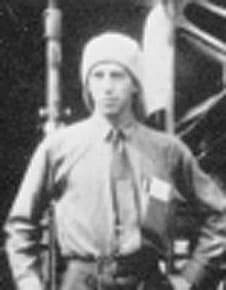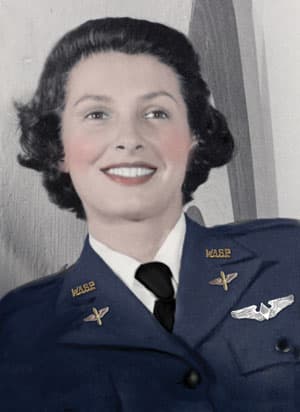
Ola Mildred Rexroat
1917–2017 · American (Oglala Lakota)
Military aviation and air traffic control
WHY YOU SHOULD KNOW THEM
Only Native American woman in the Women Airforce Service Pilots (WASP) during World War II
THEIR STORY
Ola Mildred Rexroat — nicknamed "Sexy Rexy" by her fellow pilots — was of Oglala Lakota heritage through her mother, growing up partly on South Dakota's Pine Ridge Reservation. When the United States entered World War II and the Women Airforce Service Pilots (WASP) program formed to free up male pilots for combat duty by having women fly military aircraft stateside, Rexroat joined — becoming the only Native American woman to serve in the WASP out of the more than one thousand women who flew in the program. Her WASP service was genuinely hazardous work, even without combat: stationed at Eagle Pass Army Air Field in Texas, she towed targets behind her aircraft so male trainees could practice live-fire gunnery — meaning live ammunition was being fired in her general direction as part of the exercise, a real risk built into the job itself. She flew this dangerous, essential training role until the WASP program was disbanded in December 1944, before the war's end, without the military benefits or recognition male pilots received (a status not corrected until Congress granted WASP veterans military status in 1977, decades later). Rexroat's aviation career didn't end with the WASP: she went on to work for the Federal Aviation Administration as an air traffic controller for 33 years, a demanding, high-precision career in a completely different part of aviation than flying itself — real, sustained professional expertise in guiding other aircraft safely through the airspace system. She lived to 99 years old, passing away in 2017.
WHAT THEY ACTUALLY DID
As a WASP target-tow pilot, Rexroat flew real training missions with live ammunition fired near her aircraft so male gunnery trainees could practice; as an air traffic controller for 33 years afterward, she performed the precise, high-stakes work of directing real aircraft safely through controlled airspace.
WHAT YOU'RE LEARNING THAT CONNECTS
Her three-decade air traffic control career is a direct, real-world example of the Air Traffic career path this app's directory tracks — a career built entirely on precision, communication, and split-second decision-making rather than piloting itself.
DID YOU KNOW?
She towed targets for live gunnery practice during WWII — meaning trainees fired live ammunition near her aircraft as part of the exercise.WASP pilots weren't granted military veteran status until 1977, more than three decades after their WWII service.
SOURCES
Wikipedia; CAF RISE ABOVE
Photo: United States Army photographer · Public domain · Source