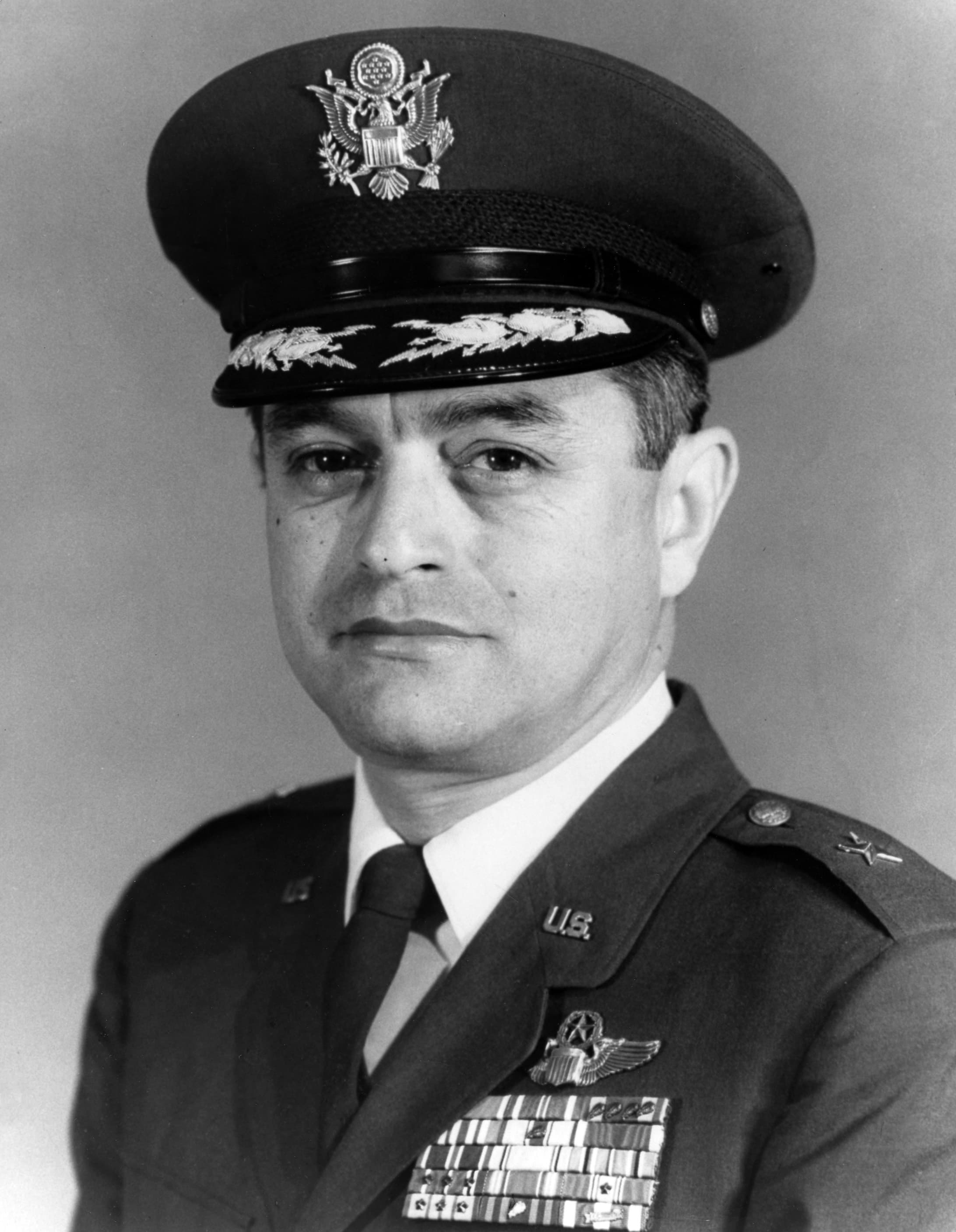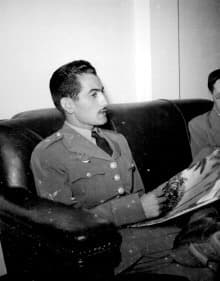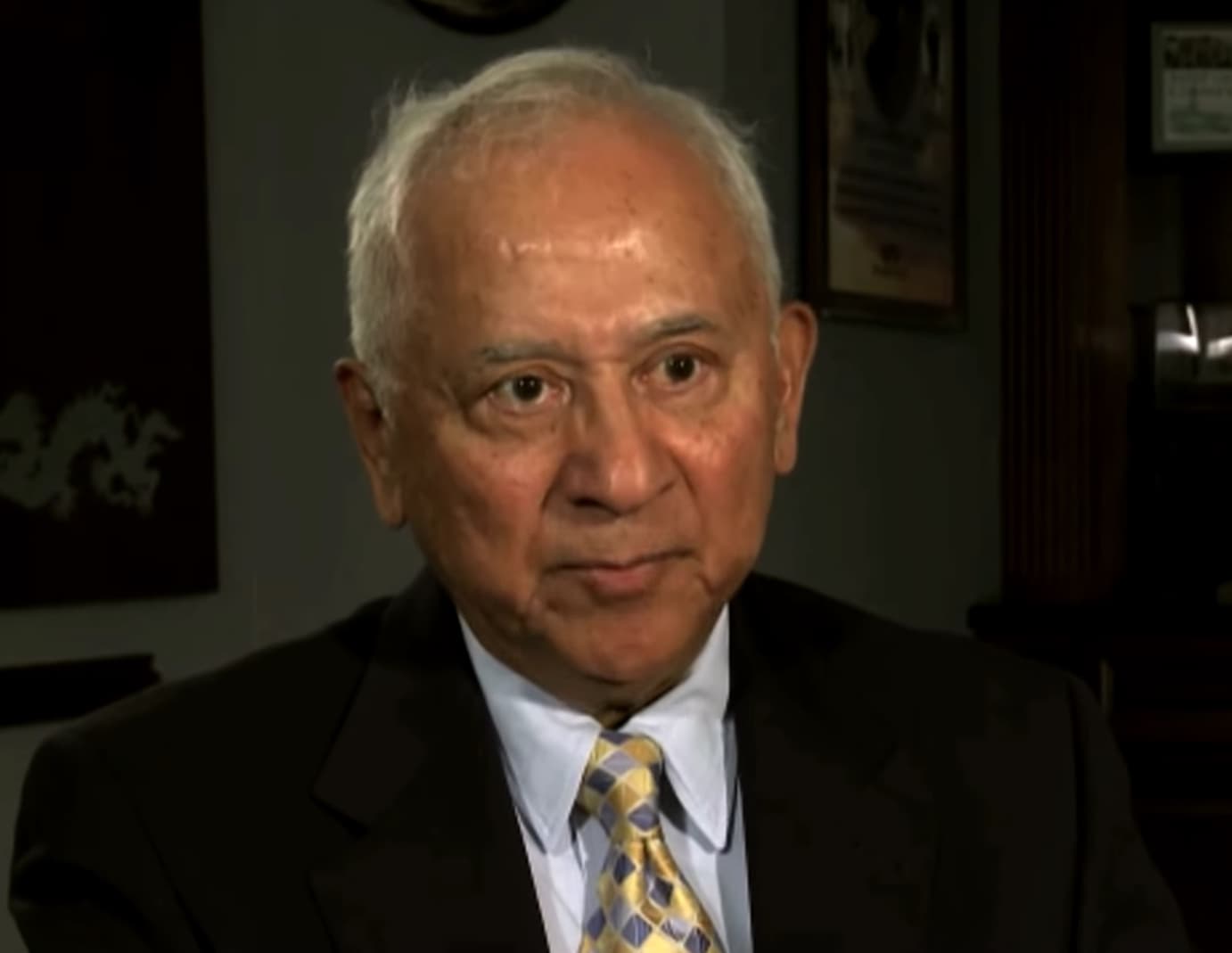
Everett Alvarez Jr.
b. 1937 · American (grandson of Mexican immigrants)
Military aviation — naval combat pilot
WHY YOU SHOULD KNOW THEM
First American pilot shot down and taken prisoner during the Vietnam War; held for over 8.5 years, one of the longest-held American POWs in U.S. history
THEIR STORY
Everett Alvarez Jr. grew up in Salinas, California, the grandson of Mexican immigrants, at a time when opportunities for Mexican-American students to reach elite universities were scarce. He earned an academic scholarship to Santa Clara University, then joined the U.S. Navy in 1960 and was selected for pilot training — a path that put him in the cockpit of an A-4 Skyhawk attack jet flying from the aircraft carrier USS Constellation. On August 5, 1964, during Operation Pierce Arrow — the U.S. military's response to the Gulf of Tonkin incident, one of the opening chapters of American involvement in the Vietnam War — Alvarez's A-4 was shot down over North Vietnam. He ejected and was quickly captured, becoming the first American pilot shot down and taken prisoner in the entire war, before most Americans had even heard of the conflict he was now trapped inside. What followed was one of the longest ordeals of any American prisoner of war in history: over eight and a half years in North Vietnamese captivity, including fifteen and a half months in solitary confinement inside the prison Americans nicknamed the "Hanoi Hilton." Only one American POW, Colonel Floyd Thompson, was held longer. Alvarez endured years of isolation and harsh treatment with no guarantee he would ever go home, and no way to know how the war — or his own life — would end. He was finally released on February 12, 1973, as part of the prisoner exchange that followed the Paris Peace Accords. His decorations reflect both the combat and the captivity: the Silver Star, two Legions of Merit, the Distinguished Flying Cross, two Bronze Stars, and two Purple Hearts. He wrote about his experience in the memoir *Chained Eagle*. Rather than stepping away from public life, Alvarez went on to serve in significant federal roles after his military service, including Deputy Director of the Peace Corps and Deputy Administrator of the Veterans Administration — spending a second career helping the kinds of institutions that exist to serve people who've sacrificed for their country.
WHAT THEY ACTUALLY DID
As a Navy attack pilot, Alvarez flew combat missions from an aircraft carrier; his real-world story afterward is about human endurance and resilience under captivity — the psychological and physical preparation that's as much a part of military aviation as flying skill itself.
WHAT YOU'RE LEARNING THAT CONNECTS
His experience is a stark, real example of the human-factors side of military aviation — the psychological endurance and training that matter as much as flying skill when a mission doesn't go as planned.
DID YOU KNOW?
He was the first American pilot shot down and captured in the Vietnam War, and one of the longest-held prisoners of war in U.S. history at over 8.5 years.After his military career, he served as Deputy Director of the Peace Corps and Deputy Administrator of the Veterans Administration.
SOURCES
American Legion; POW Network; San Diego Air & Space Museum "Hispanic Americans in Aviation"
Photo: United States Navy · Public domain · Source