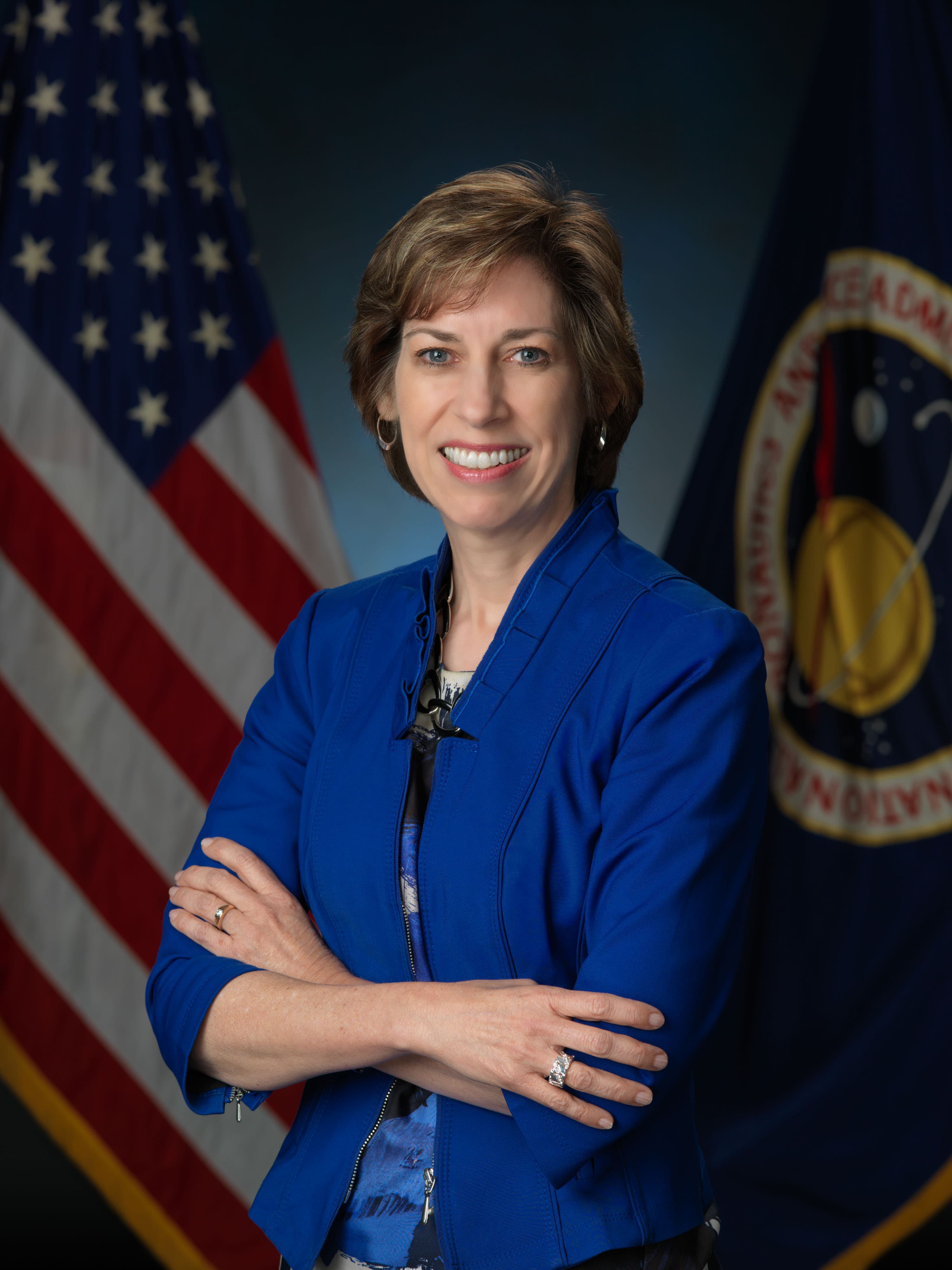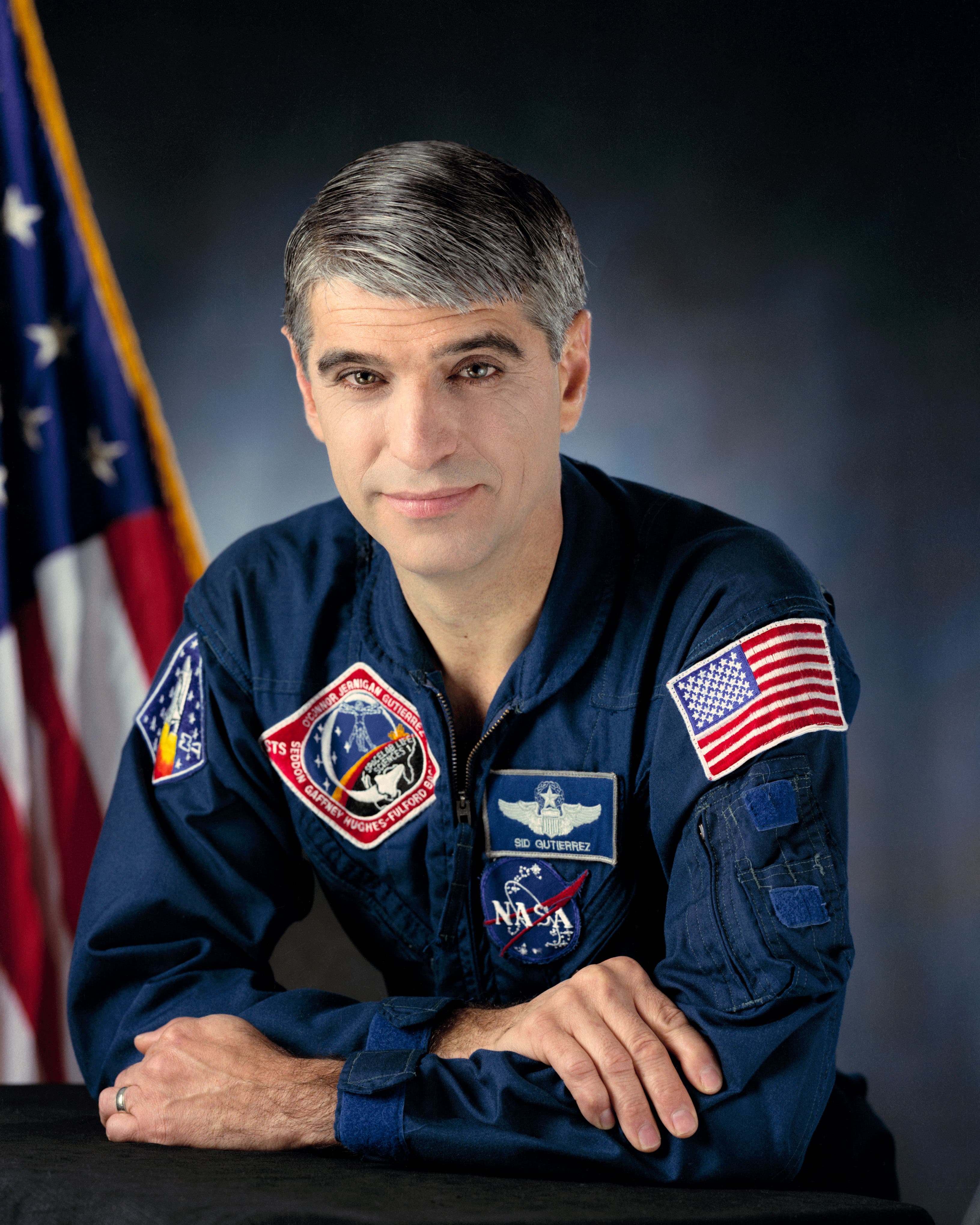
Sidney M. Gutierrez
b. 1951 · Mexican-American
Military test flying and spaceflight
WHY YOU SHOULD KNOW THEM
USAF test pilot and NASA astronaut; piloted STS-40 and commanded STS-59
THEIR STORY
Sidney M. Gutierrez grew up in Albuquerque, New Mexico, and earned a bachelor's degree in Aeronautical Engineering from the U.S. Air Force Academy in 1973. He was also a serious parachutist, eventually logging over 550 jumps and earning the Master Parachutist rating. His Air Force career built toward increasingly demanding flying work: he served as a T-38 instructor pilot, then flew F-15 fighters, before attending the USAF Test Pilot School in 1981. He became the primary test pilot for F-16 airframe and propulsion testing, flying more than 4,500 hours across roughly 30 different aircraft types — the kind of broad, technical flying experience test pilots need to evaluate how a new or modified aircraft actually performs at the edges of its capability, not just in routine flight. NASA selected him as an astronaut in May 1984. After the 1986 Challenger disaster, he commanded the Shuttle Avionics Integration Laboratory and supported both the Rogers Commission investigation into the accident and the recertification of the Shuttle's main engines — technical, unglamorous work that was essential to safely resuming Shuttle flights. He piloted STS-40 in 1991, a Spacelab life-sciences research mission, and commanded STS-59 in 1994, the Space Radar Laboratory mission, which involved more than 400 precisely planned maneuvers and captured roughly 14,000 photographs of Earth. Across his missions he logged over 488 hours in space. He retired from the Air Force and NASA in 1994 and moved to Sandia National Laboratories, working on satellite and sensor programs and eventually becoming a Center Director there. He's now Chairman and CEO of Vaya Space (formerly Rocket Crafters), continuing to work in aerospace propulsion technology.
WHAT THEY ACTUALLY DID
As a test pilot, Gutierrez flew new or modified aircraft specifically to find and document how they behaved at the edges of their performance envelope — sharper turns, higher speeds, unusual conditions — before those aircraft were certified safe for regular pilots to fly.
WHAT YOU'RE LEARNING THAT CONNECTS
Test pilot work is the real-world source of the performance data — stall speeds, service ceilings, maximum safe maneuvers — that ends up in the aircraft manuals every pilot studies.
DID YOU KNOW?
He logged over 550 parachute jumps, earning the Master Parachutist rating.After the Challenger disaster, he directly supported the investigation and the Shuttle's engine recertification before missions resumed.
SOURCES
Wikipedia, citing NASA biography PDF, New Mexico Museum of Space History
Photo: NASA · Public domain · Source