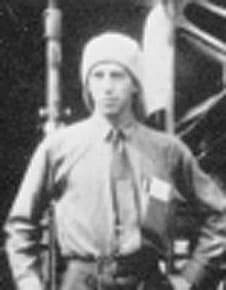
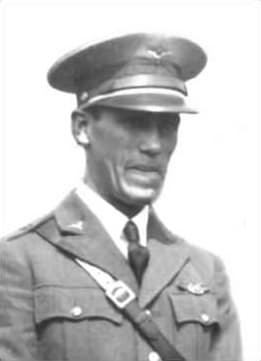
Willa Brown
1906–1992 · American
Civil aviation and flight/mechanic instruction
WHY YOU SHOULD KNOW THEM
First Black woman to earn a pilot's license in the United States and an aircraft mechanic's license; co-founded the first Black-owned flight school in the U.S.
THEIR STORY
Willa Brown worked as a teacher in Gary, Indiana before aviation became her real calling. She trained under instructor Cornelius Coffey, and by 1935 had earned an aircraft mechanic's license from Curtiss-Wright Aeronautical University — meaning she understood aircraft from the ground up, literally, before focusing on flying itself. She went on to earn her pilot's license, becoming the first Black woman to do so within the United States (distinct from Bessie Coleman, who had to earn hers in France over a decade earlier), and added a ground-instructor rating in 1940. In 1940, she and Cornelius Coffey co-founded the Coffey School of Aeronautics — the first Black-owned flight school in the United States, open to any student regardless of race or gender. Before she could afford flight lessons herself, she had sold sandwiches at the airfield to help fund her own training, and she carried that same resourcefulness into building the school. Over the years that followed, she personally trained more than 200 pilots and instructors, many of whom went on to become Tuskegee Airmen — meaning she was a direct part of the pipeline that made the Tuskegee program possible in the first place, earning her the nickname "Maker of Pilots." Her influence extended into public life well beyond the airfield: she became the first Black woman to run for the U.S. Congress, and in 1972 became the first Black woman appointed to the FAA's Women's Advisory Committee, carrying her aviation expertise directly into national policy circles.
WHAT THEY ACTUALLY DID
Running a flight school meant far more than flying herself: she handled ground-school instruction, hands-on mechanic training, and the full institutional work of building a functioning school — the pipeline infrastructure behind hundreds of other pilots' careers, not just her own.
WHAT YOU'RE LEARNING THAT CONNECTS
Her dual pilot-and-mechanic licensing mirrors exactly the two separate certification paths this app supports — flying and maintenance are historically, and currently, two distinct but equally essential aviation careers.
DID YOU KNOW?
She sold sandwiches at the airfield to fund her own flight training before she could afford lessons outright.She personally trained more than 200 pilots and instructors, many of whom became Tuskegee Airmen.
SOURCES
Smithsonian National Air and Space Museum (Pioneers of Flight); National WWII Museum; FAA official history
Photo: Unknown authorUnknown authorRestored by FatCat96 · Public domain · Source