Abraham Karem
b. 1937 · American (born in Iraq, raised in Israel)
Unmanned aircraft systems (UAS) engineering
WHY YOU SHOULD KNOW THEM
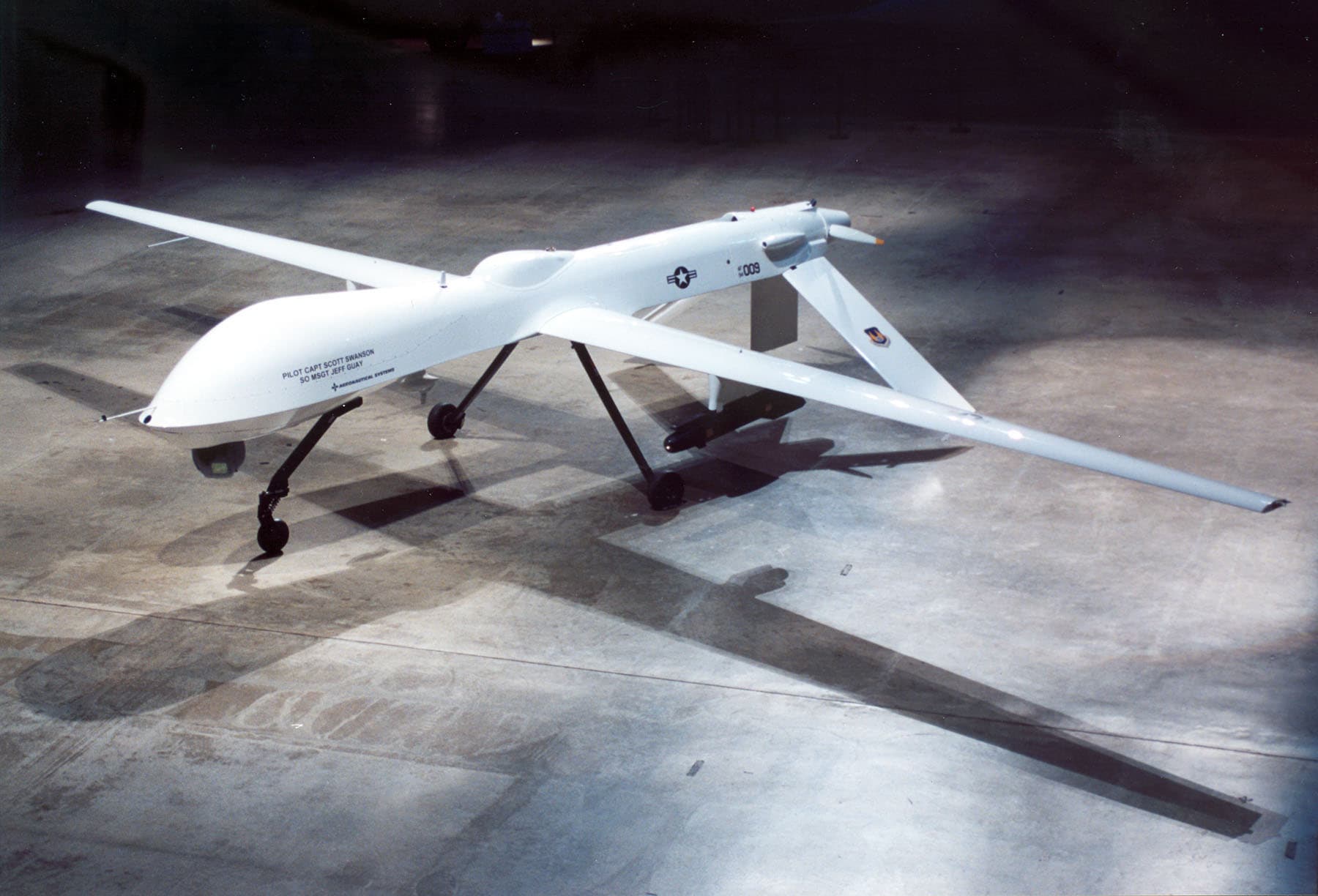
Designed the aircraft that became the MQ-1 Predator, the first widely deployed modern military drone
THEIR STORY
Abraham Karem was born in Baghdad, Iraq, and his family moved to Israel in 1951, where he later became a naturalized U.S. citizen. He was building model aircraft from the age of 14, an early fascination that never left him, and he studied at the Technion, Israel's leading engineering university. His first real unmanned-aircraft design came out of necessity: during the 1973 Yom Kippur War, he designed a glide-decoy drone for the Israeli Air Force, intended to draw enemy fire away from real aircraft. That wartime experience convinced him unmanned aircraft could do far more than anyone had yet built. He immigrated to the United States and, in 1979, founded Leading Systems Inc. — literally in his garage — with colleagues Jack Hertenstein and Jim Machin. With DARPA funding, the small company built the Albatross, a 200-pound drone with a 56-hour endurance record, and then the Amber. When funding was cut in 1987 and the company went bankrupt in 1990, General Atomics acquired both the company and Karem's engineering team along with his designs. From that foundation, General Atomics developed the MQ-1 Predator, which entered service in 1995 and remained in use until 2018, fundamentally changing how militaries used unmanned aircraft for reconnaissance and, later, armed missions. Karem was elected to the National Academy of Engineering in 2010, one of the highest honors in American engineering. The Economist described him as the creator of "the robotic plane that transformed the way modern warfare is waged." He hasn't stopped innovating: he now runs Overair, a company developing electric vertical-takeoff-and-landing (eVTOL) aircraft — a new generation of flight technology, decades after his garage-built drones changed the last one.
WHAT THEY ACTUALLY DID
As an aeronautical engineer, Karem designed unmanned aircraft from the ground up — airframes, control systems, and the long-endurance design principles that let a drone stay airborne for days rather than hours, laying the actual technical foundation modern drones and UAS still build on.
WHAT YOU'RE LEARNING THAT CONNECTS
The design principles behind long-endurance unmanned flight — efficient aerodynamics, reliable remote control, and airspace-safe operation — are the same fundamentals every Part 107 drone pilot studies today, just at a vastly larger and more complex scale.
DID YOU KNOW?
He built the first version of what became the Predator drone literally in his home garage.He was building model aircraft from the age of 14, decades before his professional engineering career began.
SOURCES
Wikipedia, citing Smithsonian Magazine and Air & Space Forces Magazine
Photo: U.S. Air Force · Public domain (U.S. federal government work) · Source